George VI Biography
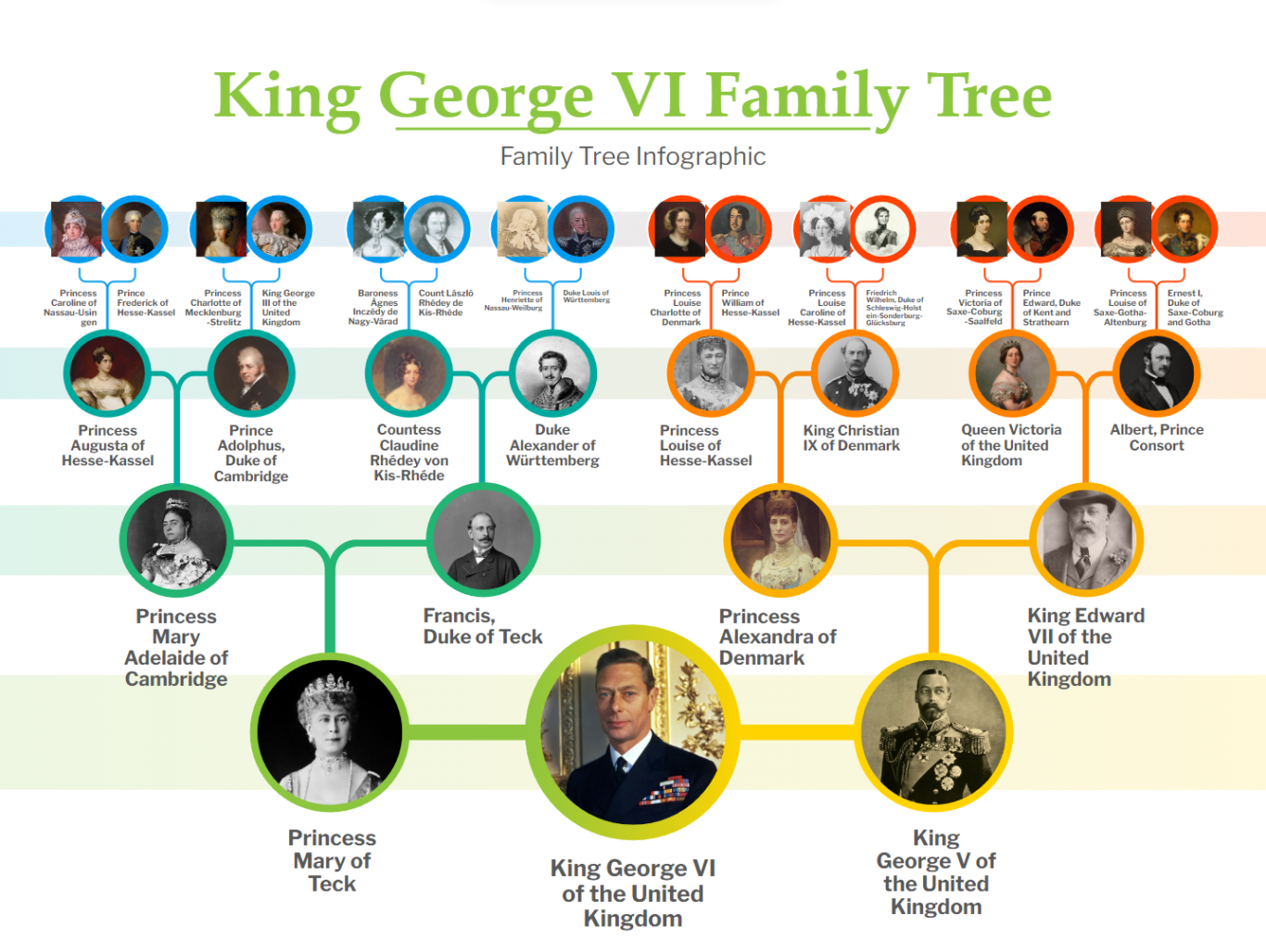
George VI (Albert Frederick Arthur George; 14 December 1895 – 6 February 1952) was King of the United Kingdom and the Dominions of the British Commonwealth from 11 December 1936 until his death in 1952. He was also the last Emperor of India from 1936 until the British Raj was dissolved in August 1947, and the first Head of the Commonwealth following the London Declaration of 1949.
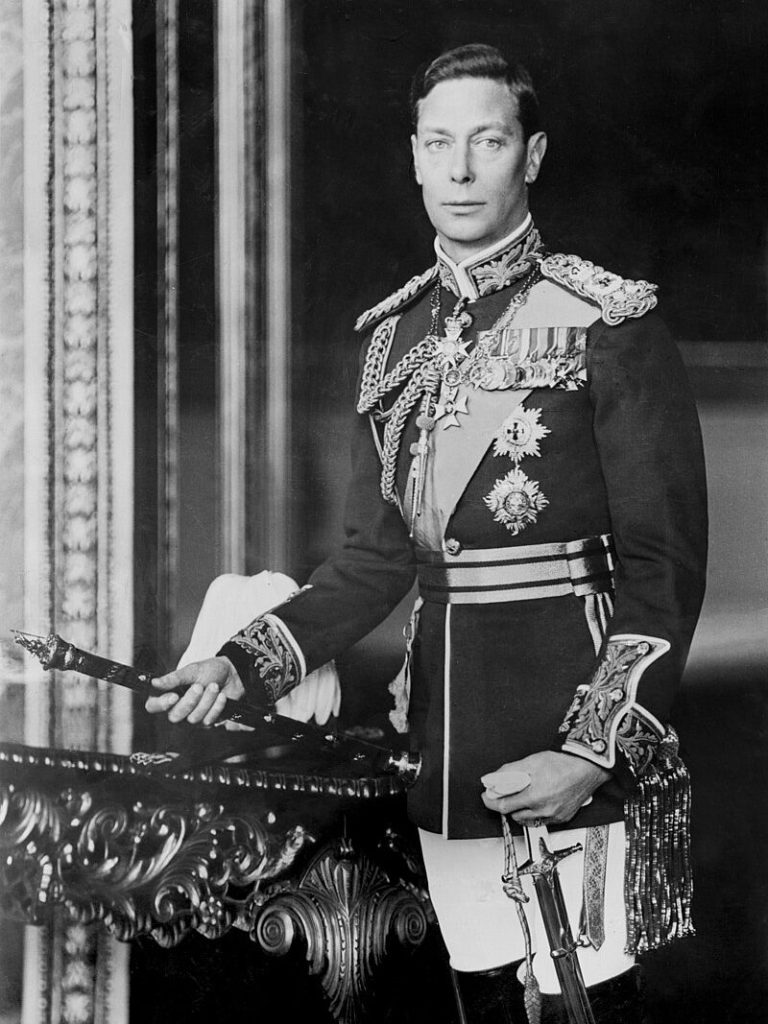
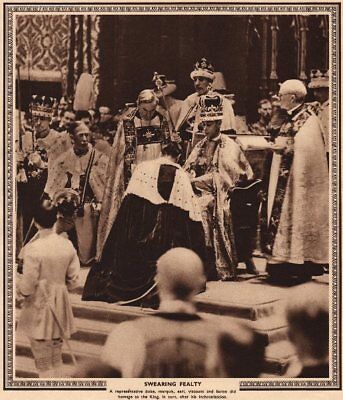
coronation
Reluctant king
Reluctant king
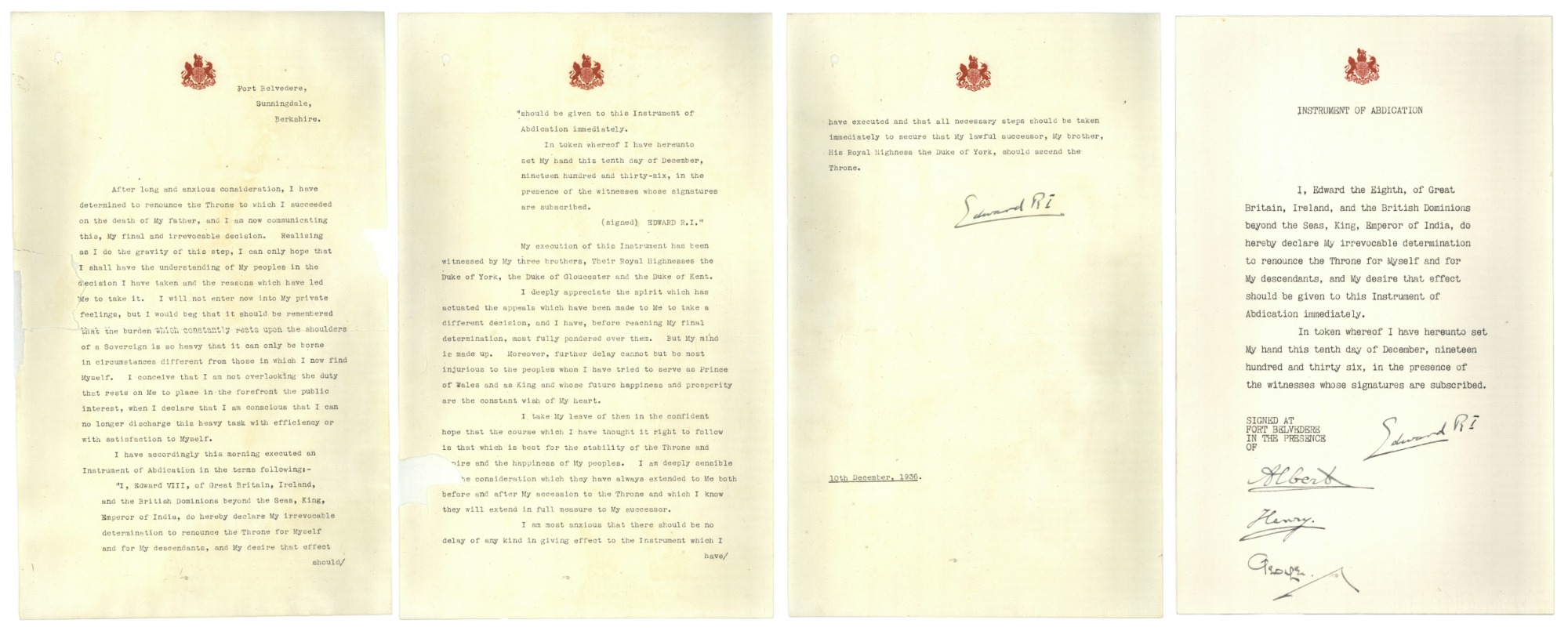
Main article: Abdication of Edward VIII
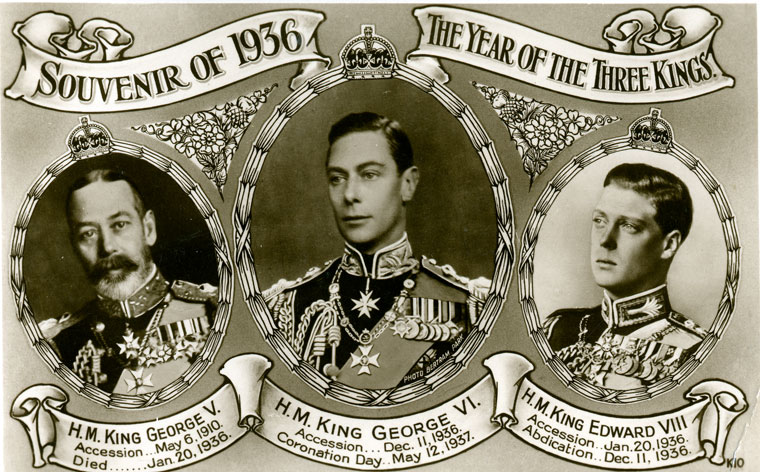
King George V had severe reservations about Prince Edward, saying "After I am dead, the boy will ruin himself in twelve months" and "I pray God that my eldest son will never marry and that nothing will come between Bertie and Lilibet and the throne."[51] On 20 January 1936, George V died and Edward ascended the throne as King Edward VIII. In the Vigil of the Princes, Prince Albert and his three brothers (the new king, Prince Henry, Duke of Gloucester, and Prince George, Duke of Kent) took a shift standing guard over their father's body as it lay in state, in a closed casket, in Westminster Hall.
As Edward was unmarried and had no children, Albert was the heir presumptive to the throne. Less than a year later, on 11 December 1936, Edward abdicated in order to marry Wallis Simpson, who was divorced from her first husband and divorcing her second. Edward had been advised by British prime minister Stanley Baldwin that he could not remain king and marry a divorced woman with two living ex-husbands. He abdicated and Albert, though he had been reluctant to accept the throne, became king.[52] The day before the abdication, Albert went to London to see his mother, Queen Mary. He wrote in his diary, "When I told her what had happened, I broke down and sobbed like a child."[53]
On the day of Edward's abdication, the Oireachtas, the parliament of the Irish Free State, removed all direct mention of the monarch from the Irish constitution. The next day, it passed the External Relations Act, which gave the monarch limited authority (strictly on the advice of the government) to appoint diplomatic representatives for Ireland and to be involved in the making of foreign treaties. The two acts made the Irish Free State a republic in essence without removing its links to the Commonwealth.[54]
Across Britain, gossip spread that Albert was physically and psychologically incapable of being king. No evidence has been found to support the contemporaneous rumour that the government considered bypassing him, his children and his brother Prince Henry, in favour of their younger brother Prince George, Duke of Kent.[55] This seems to have been suggested on the grounds that Prince George was at that time the only brother with a son.[56]